
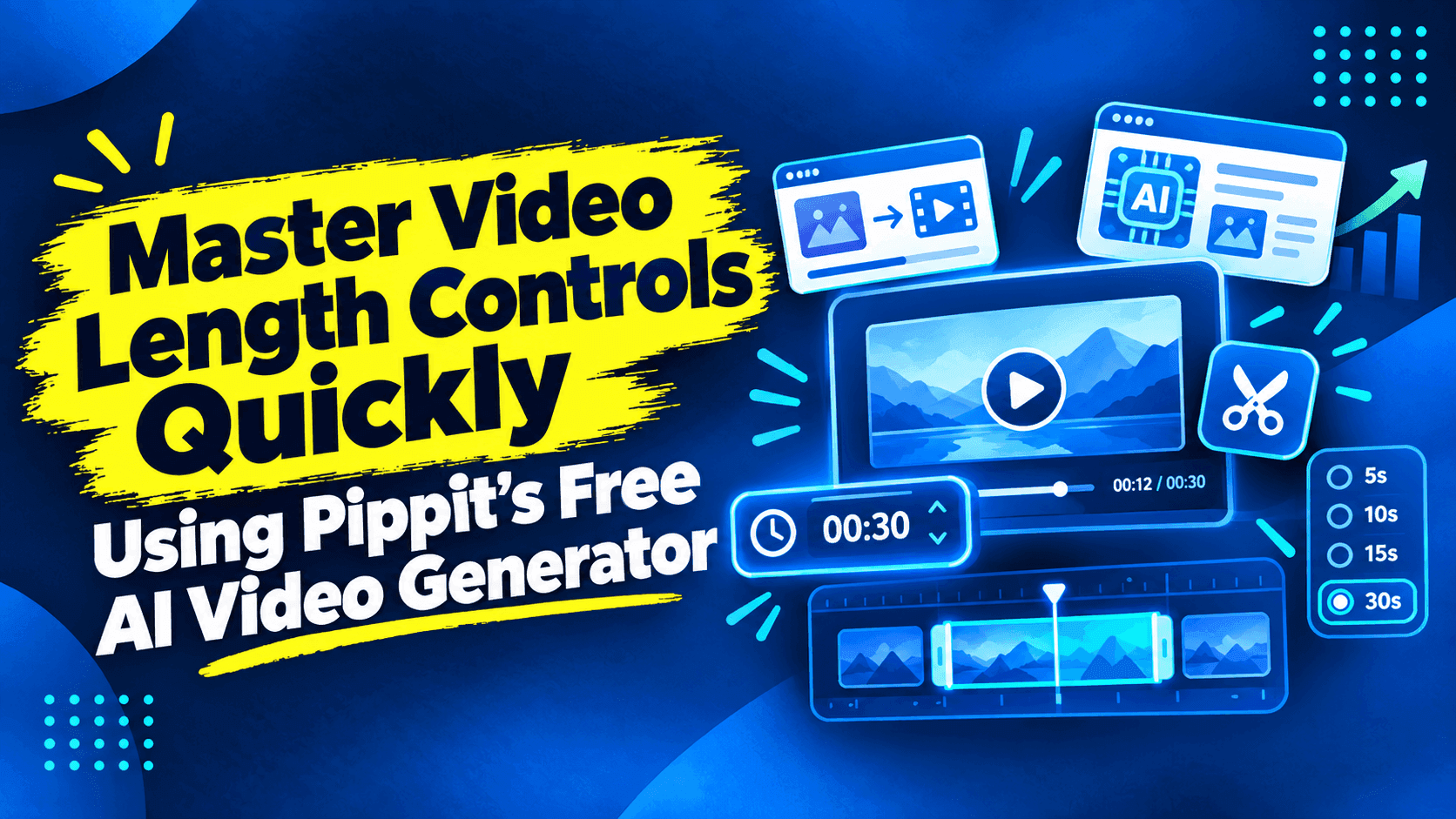
The length of a video directly impacts pacing, information density, attention, and platform appropriateness. A product teaser can take seconds; a lesson needs more context. So, a given concept may take a different amount of time for different publishing objectives. Pippit offers a hands-on approach to thinking about time when making video. An initial draft is created by generation, with additional control through editing and regeneration. This will help synchronize the runtime with the message and not unnecessarily extend content.
Why Video Length Changes the Way Content Is Experienced
Short video requires a more compact script, as there is more communication in a shorter time period. An AI video generator can aid in structuring content according to a defined period and intended viewing experience. Longer videos can allow for context, demonstrations, explanations, and examples, as well as smoother transitions. But more running time should contain some sense, not pauses. The perceived duration is determined by the number of scenes, the speed of narration, the presence of captions, and the changes in the visuals and the transitions. When a video is short, it can be information-dense and energetic if the scenes change quickly. So the same amount of time in a slower scene can appear calmer and more deliberate. Pippit can assist with structuring duration creatively. The best score is when the runtime is equal to the amount of information being communicated.
Plan the Right Length Before Generating the Video
Always begin with the main message and then determine the length of the finished video. Identify the key message and what details and evidence to include to convey the message. A short product announcement will typically require less time than an instructional presentation. Demonstrations and conceptual shifts may take additional seconds for educational purposes. Sometimes, it’s best to get a quick introduction and highlight the features of the promotion. People are reading social clips at the moment, as it is common for users to scroll through them. Pippit is available to support various creative workflows, including models like Seedance 2.5, when available. Concise prompts also curtail non-essential story development in the generation step. Use the selected time as a limitation and use it to inform all scenes.
Steps to Master Length Controls Quickly Using Pippit’s Free AI Video Generator
Step 1: Set Your Video Length
- Sign up for Pippit using your Google, TikTok, or Facebook account information.
- Open “More” on the left vertical menu bar and select “Video generator”.
- Choose an AI model, including Dreamina Seedance 1.0, Dreamina Seedance 2.0, Dreamina Seedance 2.0 Fast, Dreamina Seedance 2.0 Mini, or Dreamina Seedance 2.5.
- Enter a detailed prompt explaining the video you want.
- Select the video length, language, subtitles, and aspect ratio.
- Click “+” to upload reference images or videos from your device, phone, Dropbox, or a link. You can also select assets.
- Click “Generate”.
Step 2: Generate and Check the Duration
- After clicking “Generate”, Pippit’s AI video generator creates the video from your prompt and reference media.
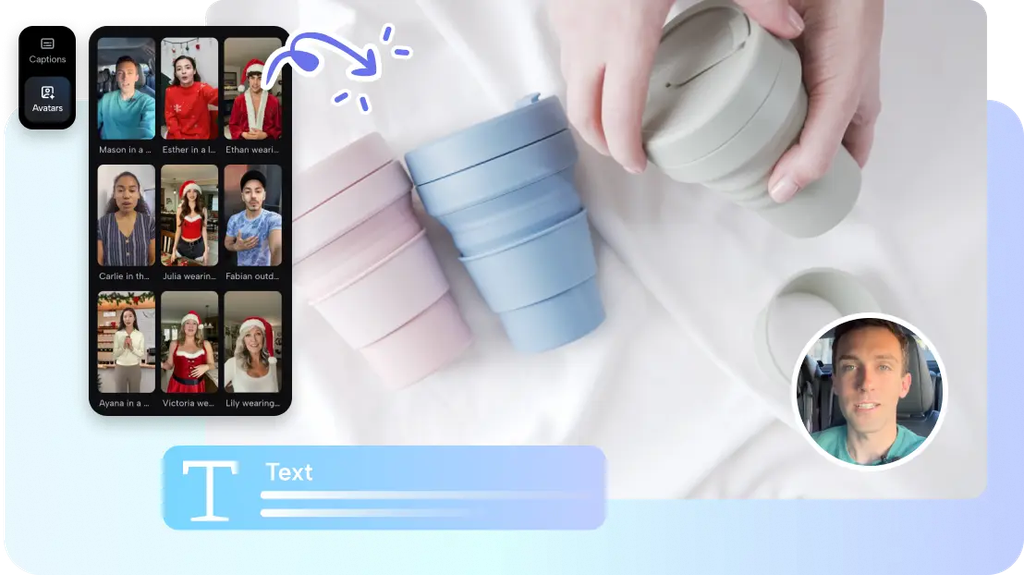
- The AI handles transitions, pacing, captions, avatars, voice, lyrics, and visual enhancements.
- Review the video draft to check its length and pacing.
Step 3: Adjust and Export
- Click “Download” in the top right to save the current version. Select “Regenerate” for another result or “Edit more” below the video to make further changes.
- Edit captions and text, then adjust size, color, alignment, filters, and effects.
- Add background music, remove backgrounds, and fine-tune the visuals.
- Click “Export” in the top right when ready.
- Select “Publish” for TikTok, Instagram, or Facebook, or click “Download” with your preferred format, resolution, frame rate, and quality.
Match Video Length With Different Content Objectives
Time is variable when it comes to different types of content. With this in mind, here are some general rules about the duration of Pippit projects:
- Quick explainers: Target a central idea and cut out information that detracts from it.
- Course lessons: Make time for concepts, examples, explanations, demonstrations, and transitions.
- Product videos: Ensure key features are covered without going on for too long.
- Social clips: Be brief, have strong pacing, and have information that can be seen quickly.
- Story videos: Allow time for setting up, progression, conflict, and resolution.
- Recaps: Summarize the key moments, rather than repeating everything that happened or all the details.
Control Pacing When a Video Feels Too Long
Even if the total length of the video is not that long, it can still feel tedious. This is a common issue when a point is repeated, and the same information is conveyed multiple times. Eliminate repetition of statements and transitions in the editing process. Limit captions when text restates what is spoken but doesn’t provide helpful information. The length of the scenes also affects the perception of speed, even if the total run time is the same. Longer scenes can provide breathing room; shorter scenes can add to the momentum! Pippit editing tools are able to make changes to captions, text, effects, music, backgrounds, and visual elements. If the structure is not correct, then regeneration can result in a completely different draft. This is a good time saver if minor edits don’t address more serious pacing issues.
Add Enough Time When Important Information Feels Rushed
Some videos do not work because they contain too much information to be easily understood. These are such things as captions that are changing too quickly, a narration that moves too quickly, too many people in a shot, or a demonstration that is cut too early. Some complex ideas may require extra visual room to convey their meaning. Decorative scenes are not the solution to a true information-flow problem. Rather, elaborate on moments that explain, demonstrate, compare, or clarify important information. Synchronisation is also important, since the voice, subtitles, and images should say the same thing. Watch the entire video at regular speed to assess how fast or slow it plays. This will show if viewers are able to read each statement without pausing repeatedly. When the first generation is faster than the message needs to be, Pippit makes refinement practical.
Refine Length Through Editing and Regeneration
Regenerate is most effective when a different approach is required for the structure being generated. A new version may alter the organization of the scenes, their speed, the way the story is told, or the visual interpretation. Edit existing suits videos that already function, but have certain areas that need to be adjusted. Pippit offers editing options for captions, text, effects, music, background, and visual presentation. Such changes can enhance perceived pacing without having to rebuild the entire video. Resolution and frame rate are more about how something is delivered and not about how long the story is. So, simply adjusting output specifications won’t make the message clearer. Go through all the scenes from start to finish, and pick the best one. Review transitions, timing of narration, captions, demonstrations, and pauses collectively. A polished result should be purposeful, not just “long enough to reach a target.
Conclusion
Video is effective based on communication needs, not only length of video. Good planning sets the message, supporting details, pacing, and correct structure. Generation settings then offer a practical groundwork for the construction of the first draft. Review finds hasty explanations, redundant ideas, extraneous scenes, and poor transitions. Focussed problems can be remedied by editing; more general structures by regeneration. Pippit makes this process easier by bringing together generation and refinement in a single creative environment. This is the ultimate safeguard for clarity, rhythm, comprehension, and meaningful information. The more every second counts to the message, the easier to watch and understand the finished video.